
On this page
- Why Sauces Are the Carb Landmine of Middle Eastern Dining
- The Full Ranking: 15 Sauces From Low to High Carb
- The Three Most Misunderstood Sauces for Low-Carb Diners
- A Counterpoint Worth Considering
- How to Navigate Middle Eastern Menus in Practice
- Where Middle Eastern Sauce Nutrition Is Heading
- Conclusion
- Frequently Asked Questions
Middle Eastern cuisine is one of the most celebrated food cultures in the world. The mezze spreads, the slow-roasted meats, the fragrant spice blends. It all feels inherently wholesome. But if you're managing a low-carb lifestyle or tracking macros, the sauces and dips are where things get complicated fast.
The problem isn't the grilled chicken or the lamb kebab. It's what comes alongside them. A few spoonfuls of the wrong sauce can quietly add 20 to 30 grams of carbohydrates to a meal that looked perfectly low-carb on paper. And at a restaurant, where portion sizes are generous and ingredient lists aren't posted on the wall, that math becomes genuinely difficult to do.
We've ranked 15 common Middle Eastern sauces from lowest to highest carb load so you can make smarter choices whether you're dining at a Lebanese restaurant in London, a shawarma spot in Dubai, or a Turkish grill in Sydney.
Why Sauces Are the Carb Landmine of Middle Eastern Dining
Middle Eastern cuisine leans on legumes, grains, and natural sugars in ways that aren't always obvious. Chickpeas, pomegranate molasses, tamarind, and date paste all bring genuine nutritional value, but they also carry significant carbohydrate loads. When these ingredients are blended into sauces and served as condiments or dips, their carb contribution is easy to underestimate.
There's also the restaurant reality. Chefs often add small amounts of honey, sugar, or flour to balance acidity or improve texture. These additions don't change the flavor dramatically, but they can push a sauce from "low-carb friendly" to "proceed with caution." For anyone managing hidden carbs in Middle Eastern dining, this is the core challenge.
People with food allergies face a parallel problem: hidden ingredients in restaurant sauces are among the most common sources of accidental allergen exposure. The same lack of transparency that hides sesame or tree nuts also hides added sugars and thickeners.
Tools like AlignEat's AI-powered menu analysis exist precisely for this reason. Instead of trying to decode a sauce's ingredients mid-dinner, you can get clear, instant guidance before you even sit down.
The Full Ranking: 15 Sauces From Low to High Carb
The figures below represent approximate carbohydrate content per standard restaurant serving (roughly 2 tablespoons or 30g). Actual values vary by recipe and restaurant, so treat these as informed estimates rather than precise measurements.
Rank (Lowest to Highest) | Sauce | Approx. Carbs per Serving | Low-Carb Friendly? |
|---|---|---|---|
1 | Toum (garlic sauce, oil-based) | 1–2g | Yes |
2 | Tahini (plain sesame paste) | 3–4g | Yes |
3 | Labneh (strained yogurt dip) | 3–5g | Yes |
4 | Zhoug (Yemeni green chili sauce) | 2–4g | Yes |
5 | Muhammara (roasted red pepper and walnut) | 5–7g | Moderate |
6 | Amba (fermented mango sauce) | 6–8g | Moderate |
7 | Tzatziki (cucumber yogurt dip) | 4–6g | Yes |
8 | Hummus (classic chickpea dip) | 8–10g | Moderate |
9 | Moutabal / Baba Ghanoush | 6–9g | Moderate |
10 | Harissa (North African chili paste) | 4–7g | Moderate (watch for added sugar) |
11 | Fattoush dressing (sumac and lemon) | 8–12g | Caution |
12 | Tarator (bread-thickened tahini sauce) | 10–14g | Caution |
13 | Shawarma garlic sauce (mayo-based versions) | 8–15g | Variable (high when sweetened) |
14 | Pomegranate molasses glaze | 18–22g | No |
15 | Tamarind sauce / Date and tamarind dip | 20–28g | No |
The Surprises at the Top of the List
Most people know that pomegranate molasses is sweet. What catches people off guard is tarator. This Lebanese sesame sauce looks almost identical to plain tahini, but the traditional recipe includes bread as a thickener. That single ingredient can double the carb count. If you're ordering fish or falafel with "tahini sauce," it's worth clarifying whether it's plain tahini or tarator, because the difference matters on a low-carb Middle Eastern dining plan.
The Genuinely Low-Carb Stars
Toum deserves far more attention from keto and low-carb diners. This Lebanese garlic sauce is made from garlic, oil, lemon juice, and salt. That's it. The carb content is negligible, the flavor is punchy and satisfying, and it pairs beautifully with grilled meats. Zhoug, the fiery Yemeni green sauce made from fresh herbs and chili, is another excellent option that most carb-conscious diners overlook entirely.
The Three Most Misunderstood Sauces for Low-Carb Diners
Hummus: The Complicated Classic
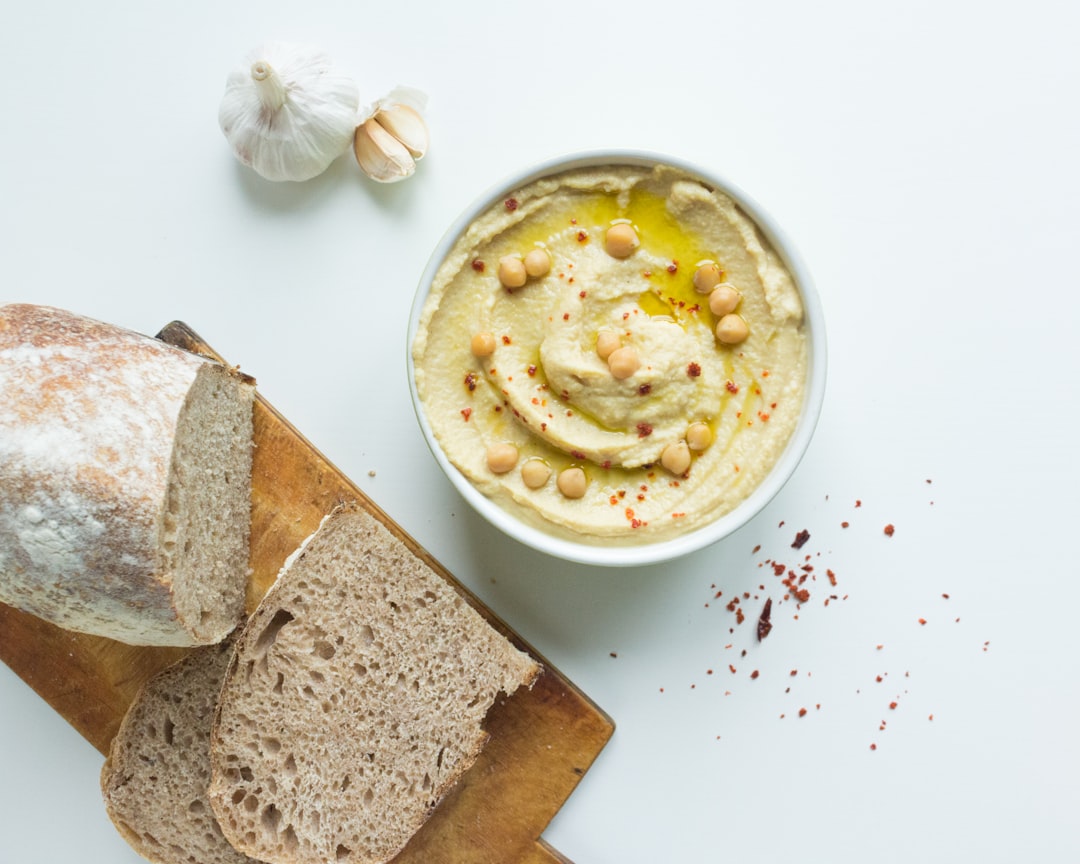
The carb content of hummus sits in a genuinely grey zone. A small side portion at roughly 2 tablespoons is moderate and manageable. The problem is portion size. Restaurant hummus often arrives as a full bowl with warm bread, and diners frequently consume four to six servings without thinking of it as a high-carb choice. If you're strictly low-carb, treat hummus as a condiment rather than a dip. A spoonful adds depth without wrecking your macros.
Tahini: Good News With a Catch
Plain tahini nutrition is actually quite friendly for low-carb eating. Sesame seeds are high in fat and protein, and the carb content per serving is low. The catch is that tahini is often sweetened in restaurant kitchens, particularly when it's prepared as a sauce rather than sold as a pure paste. A drizzle of honey or a spoon of sugar can quietly add 4 to 6 grams of carbs to what you thought was a safe choice. If you're eating out, a quick "is there sugar in the tahini sauce?" goes a long way.
Harissa: Watch the Version
Traditional harissa is simply dried chilies, garlic, olive oil, and spices. The carb content is low. But the jarred and restaurant versions vary wildly. Some commercial harissa preparations contain food additives and added sugars to extend shelf life and balance heat. The same sauce name can mean very different things depending on where you're eating. This is particularly relevant when navigating a keto Middle Eastern restaurant experience where you can't always read the labels yourself.
A Counterpoint Worth Considering
There's a reasonable argument that obsessing over sauce carbs can lead to a joyless dining experience. Middle Eastern cuisine is built on shared plates, generous hospitality, and the pleasure of eating together. Hummus, baba ghanoush, and pomegranate-glazed lamb are cultural touchstones, not just macronutrient vehicles. Rigidly avoiding every sauce with more than 5 grams of carbs risks turning a celebration into a clinical exercise.
The more sustainable approach is informed flexibility. Know which sauces carry high sugar hidden in restaurant condiments, understand your own tolerance and goals, and make conscious choices rather than anxious ones. If pomegranate molasses is the hero of a dish you genuinely love, enjoy it. Just don't do it every night and also eat the tamarind dip and the flatbread.
Confidence comes from knowledge, not restriction. That's the ethos behind tools like our dining and nutrition blog, which covers exactly these kinds of real-world trade-offs for people managing dietary preferences every day.
How to Navigate Middle Eastern Menus in Practice
Before You Go
Check the restaurant menu online. Most Middle Eastern restaurants in major cities now post their menus digitally. Look for which sauces are listed and note whether they describe ingredients or just names. If the menu is in Arabic, Farsi, or Turkish, that's where AI assistance becomes genuinely useful rather than just convenient.
At the Table
- Ask for tahini on the side rather than already drizzled (controls your portion)
- Request toum instead of garlic mayo where possible
- Clarify whether the "tahini sauce" contains bread (tarator) or is pure sesame
- Order grilled proteins with labneh or zhoug as your primary sauces
- Treat pomegranate molasses and tamarind dips as occasional flavors, not staples
When the Menu Isn't Clear
This is the scenario that creates real dining anxiety for people managing strict low-carb eating or medical dietary needs. A menu that lists "house sauce" or "chef's special dressing" gives you nothing to work with. In these situations, asking your server directly is the most reliable approach. If language is a barrier or the server isn't sure, using a tool like AlignEat's real-time menu decoder can bridge the gap instantly, identifying safe options based on your specific dietary requirements without any guesswork.
We also address related dining complexities like navigating certification standards in our article on halal versus halal-certified dining, which follows the same principle: clarity before you eat, not anxiety while you're eating.
Where Middle Eastern Sauce Nutrition Is Heading
The global demand for dietary transparency is accelerating. More restaurant groups are beginning to add nutritional information to menus, particularly in markets like the UAE, UK, and Australia where labeling standards and health-conscious dining culture are influencing menu design. We expect to see more Middle Eastern restaurants offering "light" or "keto-adapted" sauce options as dietary customization becomes a competitive differentiator rather than an accommodation.
AI-powered dining tools will play a growing role here too. As menus become more digitally accessible and as natural language processing improves, the ability to scan any menu from anywhere in the world and instantly surface low-carb options will become standard for health-conscious diners. The friction between cultural cuisine and individual dietary needs doesn't have to be permanent. It's a problem that better information solves.
If you're curious about how this kind of technology works in practice, our story explains why we built AlignEat and who we built it for.
Conclusion
Middle Eastern sauces exist on a wide spectrum from the almost-zero-carb toum to the genuinely high-carb tamarind and pomegranate molasses preparations. The good news is that most of the flavor-forward, deeply satisfying options in this cuisine fall in the low to moderate range. Toum, plain tahini, labneh, zhoug, and tzatziki are all excellent companions to grilled meats and vegetables without derailing a low-carb approach.
The challenge is that restaurant versions don't always match the traditional recipe. Added sugars, bread thickeners, and sweetened bases can quietly shift a seemingly safe sauce into higher-carb territory. Understanding which sauces to watch and why puts you in a far better position at any Middle Eastern restaurant, anywhere in the world.
Eating well with dietary restrictions isn't about eating less joyfully. It's about eating more knowingly. And knowing your sauces is a genuinely good place to start. If you'd like personalized guidance for your next restaurant visit, get in touch with us to learn how AlignEat can help.
Frequently Asked Questions
Is hummus allowed on a strict keto diet?
Hummus is generally not suitable for strict keto. A standard 2-tablespoon serving contains roughly 8 to 10 grams of carbohydrates, primarily from chickpeas. Most keto frameworks set a daily carb ceiling of 20 to 25 grams, which means even a modest restaurant portion can consume nearly half your daily allowance.
Can I trust jarred harissa from a supermarket as low-carb?
Not automatically. Jarred harissa varies significantly by brand. Some contain added sugar or starch as a stabilizer, pushing carbs up to 6 to 8 grams per tablespoon. Always check the nutrition label. If sugar appears in the first five ingredients, choose a different brand or opt for a fresh restaurant version instead.
How does AlignEat help when a Middle Eastern menu is in a different language?
AlignEat decodes menus regardless of language, including Arabic, Turkish, and Farsi. You can photograph or input the menu text and receive instant dietary analysis in your language. This removes the most common barrier to confident low-carb ordering at authentic international restaurants, where English translations aren't always available or accurate.