
On this page
Kenji has navigated boardrooms across Dubai, Seoul, Nairobi, and Milan. He manages a tree-nut allergy with quiet confidence. But the moment a host lifts the lid on a shared platter and says "please, eat, I made this for you," he feels the familiar knot. Saying no feels rude. Saying nothing feels worse.
The truth is, how you refuse food politely across cultures matters as much as the words you choose. In some contexts, your refusal reads as rejection of the relationship itself. In others, it's a perfectly ordinary expression of preference. Knowing the difference is what separates an awkward meal from a genuinely connected one. We put together this guide specifically for international business travelers navigating that moment across eight distinct cultural contexts.
The 8 Cultures: How Refusal is Perceived and What Works Instead
Not every "no" lands the same way. The gap between a polite decline and an unintentional insult often comes down to one thing: whether food in that culture carries relational weight or purely personal meaning.
Honor-Based Cultures: When Refusal Feels Personal
In Middle Eastern and South Asian settings, food is hospitality made edible. When a Lebanese host fills your plate or an Indian family pushes the dal toward you a second time, they're expressing generosity, care, and social standing. Refusing without explanation can read as rejection of the person, not just the dish. These are honor-based food cultures, where the act of feeding someone reflects the host's dignity.
Non-verbal cues matter enormously here. Placing your hand over your heart while gently shaking your head signals sincere appreciation rather than dismissal. Keeping your plate slightly tilted toward the center (rather than pushing it away) also softens a refusal. Eye contact should be maintained: breaking it feels evasive, not polite.
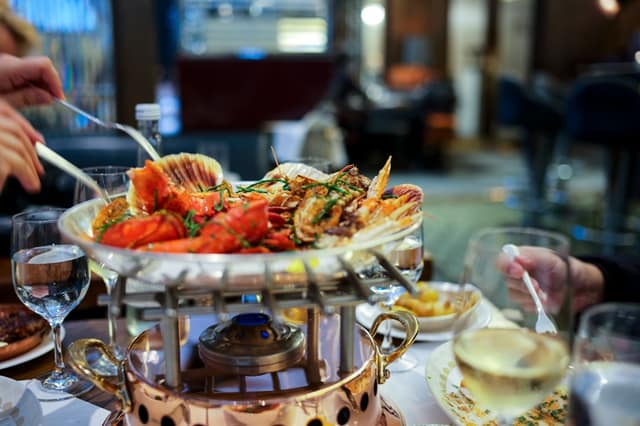
In East African contexts, particularly in Ethiopia or Kenya, communal eating from a shared injera or platter means your engagement at the table is visible. Not eating at all draws more attention than eating a little. A modified portion accepted gracefully is almost always better received than an outright refusal.
Preference-Based Cultures: When Refusal Is Simply Information
In French and Mediterranean contexts, personal food preferences are respected as a matter of individual autonomy. A French dinner guest who declines a course is not insulting the chef; they're exercising taste. That said, completely ignoring a dish presented with obvious care still warrants acknowledgment.
Japanese dining culture sits somewhere between these poles. Omotenashi (the spirit of selfless hospitality) means your host has thought deeply about what they've served. Refusal without warmth can feel like that effort went unnoticed. Timing also matters: a well-placed, gentle deferral after visibly appreciating the presentation is far better received than an immediate "no."
Latin American tables, particularly in Mexico, Brazil, and Colombia, tend to read food refusal through the lens of social warmth. Hosts may interpret a clean plate as approval and a half-touched plate as a quiet complaint. Engaging enthusiastically with whatever you can eat and explaining constraints with warmth keeps the relationship intact.
Culture | How Refusal Is Perceived | Most Effective Framing | Key Non-Verbal Cue |
|---|---|---|---|
Middle Eastern | Potential insult to hospitality | Medical/doctor's orders | Hand over heart |
South Asian | Social awkwardness, honor-sensitive | Health/digestion, religious (Jain/Hindu) | Palms together, gentle bow |
Japanese | Effort unacknowledged | Gratitude-first, then health | Admire the dish before declining |
East African | Social withdrawal | Gratitude-forward, accept small portion | Lean in, engage with other dishes |
Latin American | Lack of warmth or enjoyment | Personal health, said with warmth | Enthusiastic engagement with other dishes |
French | Acceptable if gracefully stated | Personal preference or small taste | Calm, matter-of-fact manner |
Mediterranean | Generally understood | Small taste + explanation | Compliment the dish directly |
Asian (broader) | Varies: face-saving important | Medical or religious framing | Accept what you can, decline quietly |
Culturally Coded Phrases: Saying 'No' Without Offense — 8 Scripts You Can Use
The right words, framed in the right way, transform a refusal into a moment of connection. We've built these scripts around each culture's communication norms, so the phrase works not just linguistically but socially. Think of this as your dining etiquette toolkit for explaining allergies or restrictions without making the table uncomfortable.
Middle Eastern: Lean on Medical Authority
"Your generosity means everything to me. My doctor has given me strict instructions I must follow. Please know I'm honoring your hospitality by being here."
Medical authority carries significant weight in Gulf and Levantine contexts. Framing a restriction as a doctor's order removes personal judgment from the equation entirely. If the dish contains something halal-relevant, you can also reference that respectfully: "I follow halal guidelines strictly, and I want to be careful tonight." For more on navigating halal versus halal-certified distinctions at the table, we've covered that terrain in depth.
South Asian: Health, Digestion, and Religious Ethics
"This looks absolutely wonderful. I'm following a strict diet for health reasons, and I have to be careful with this ingredient. My body doesn't agree with it right now."
Digestion and health resonate strongly in South Asian contexts, where Ayurvedic thinking frames food as medicine. For Hindu or Jain guests, religious framing is equally powerful: "I follow a plant-based diet for religious reasons" is understood and respected without further explanation needed.
Japanese: Gratitude Before Everything
"The presentation is beautiful, and I can see how much care went into this. I have a medical restriction that prevents me from eating this particular ingredient, though I'm very grateful you prepared it."
In Japanese settings, acknowledging the craft and effort before your explanation shows that your refusal is not indifference. Pair this with a small bow and genuine eye contact.
East African: Accept the Gesture, Explain the Constraint
"Thank you so much, I'm truly honored by this. I need to be careful with this dish because of a health condition, but I'd love to try the other dishes and hear more about how this is prepared."
Redirecting into curiosity works beautifully here. It signals engagement, not withdrawal.
Latin American: Warmth Carries the Message
"Everything looks incredible. I have to watch this ingredient for my health, but I'm so happy to be here sharing this meal with you."
The warmth in your tone matters as much as the words. Smile, engage with the table, and focus energy on the dishes you can eat.
French and Mediterranean: The Small Taste Strategy
If your restriction allows even a tiny portion safely, accept it. "J'en prends juste un peu" (I'll just take a little) honors the dish. Follow with: "It's wonderful, though I need to watch this ingredient for my digestion."
In Mediterranean Jewish contexts, kosher framing is understood and respected: "I keep kosher, and I want to be careful tonight." For those managing celiac or gluten intolerance at Mediterranean tables, watch for menu words like "glazed," "crispy," or "roux-thickened" that often signal hidden gluten in otherwise innocuous-sounding dishes.
Understanding how an app like AlignEat quietly decodes a menu before you sit down means you arrive knowing exactly which dishes are yours for the taking, and which ones need a graceful word or two.
Beyond the Refusal: Ways to Engage and Show Respect Across Table Dynamics
Refusing a dish doesn't mean stepping back from the meal. In most cultures, what you do after the refusal matters just as much as the refusal itself. Cross-cultural dining respect is built in the moments between bites.
Praise the Preparation, Not Just the Food
Shifting the conversation from what's on the plate to how it got there is one of the most effective moves at any international table. "How long does this take to prepare?" or "Is this a family recipe?" redirects attention toward the host's knowledge and pride. It turns your restriction into a doorway for genuine curiosity, not an awkward pause.
Ask About Ingredients and Tradition
In cultures where food carries historical or familial meaning, asking about the ingredients or cooking method is a form of respect. An Ethiopian host describing how injera is fermented, or a Japanese grandmother explaining the dashi stock, is sharing something meaningful. Your questions show you value that.
This approach also has a practical benefit: you learn what's actually in a dish, which helps you assess whether a modified version might work. Seeing how AI-powered menu decoding works before a business dinner means you already know the landscape before these conversations begin.
Participate Actively With What You Can Eat
Helping serve dishes you can eat, refilling glasses, or being the most engaged conversationalist at the table compensates for any quiet absence on your plate. Active participation signals that you're present and grateful, even if your dietary needs mean you're eating differently.
Know When Modification Works and When It Doesn't
Some cultures welcome adaptation. In South Asian home cooking, a host is often delighted to make a dish without a specific ingredient if asked in advance. In French haute cuisine, however, requesting modifications to a chef's composed dish can feel like an editorial comment on their craft. The general rule: adapt in advance where possible, and always frame any request as appreciation of the original, not criticism of it.
There's also a counterargument worth acknowledging. Some travelers over-explain their restrictions, turning a brief moment into an extended medical briefing. In most cultures, brevity is more graceful. State your constraint warmly, once, and move on. Repetition makes it the focus of the meal; a single clear phrase keeps it a footnote.
Looking forward, as international business travel continues to grow and dietary diversity becomes more visible at global tables, hosts across all eight cultures are becoming more practiced at accommodating restrictions. The next generation of business diners will likely find these conversations easier. But the underlying cultural logic, food as relationship, as honor, as care, won't change. The skill of navigating it gracefully will always matter.
For travelers who want a head start, pre-scanning a city's restaurant landscape before arrival is one of the most practical moves you can make. Our guide to pre-scanning a city before you travel walks through exactly how to do that. And if you're ready to explore the full cultural dining scripts atlas and etiquette resources, see what's available across AlignEat's plans or reach out directly to learn more.
The goal isn't a perfect refusal. The goal is a meal where everyone at the table, including you, feels genuinely at home.
Frequently Asked Questions
What's the most universally accepted reason to give when refusing food at an international business dinner?
A health or medical framing works across nearly all eight cultures covered here. Saying your doctor has advised you to avoid a specific ingredient removes any suggestion of personal judgment toward the host or their food. Keep it brief, one sentence, and follow it immediately with a genuine compliment about the dish or meal.
Is it ever better to just eat something even if it might cause a reaction, to avoid offending the host?
No. For genuine allergies or intolerances, eating a dish that could cause a reaction is never the right choice, regardless of the cultural setting. Most hosts, once they understand the medical reality, are far more concerned about your wellbeing than any momentary social awkwardness. A calm, clear explanation prevents both the offense and the health risk.
How do I handle a communal platter situation where not eating is very visible to everyone at the table?
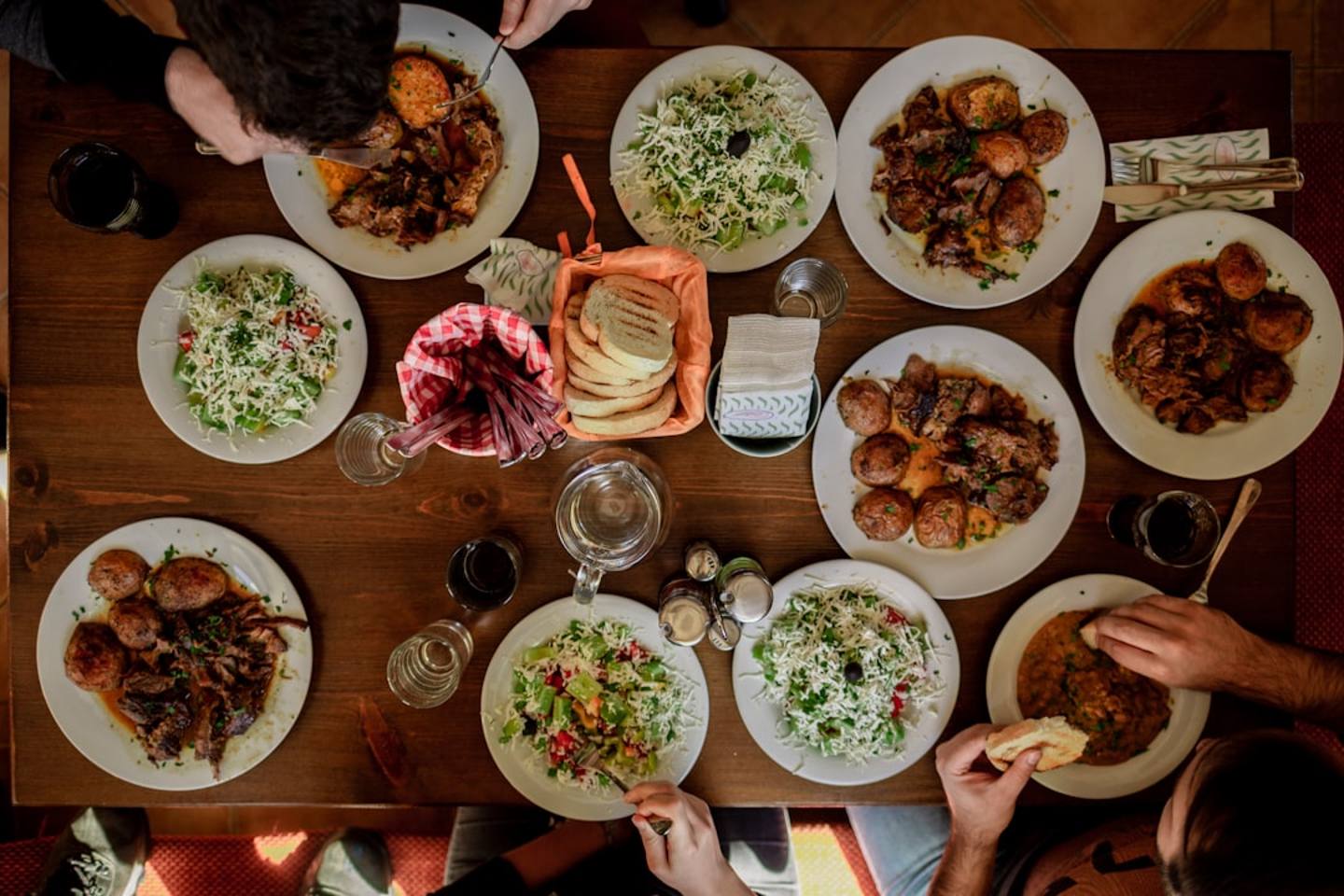
Accept a small serving onto your plate if your restriction permits even a taste. Engage actively with the dish by commenting on its appearance, aroma, or preparation. In communal settings across East African and Middle Eastern tables, having food on your plate while asking questions about it reads as participation, even if you eat little or none of it.