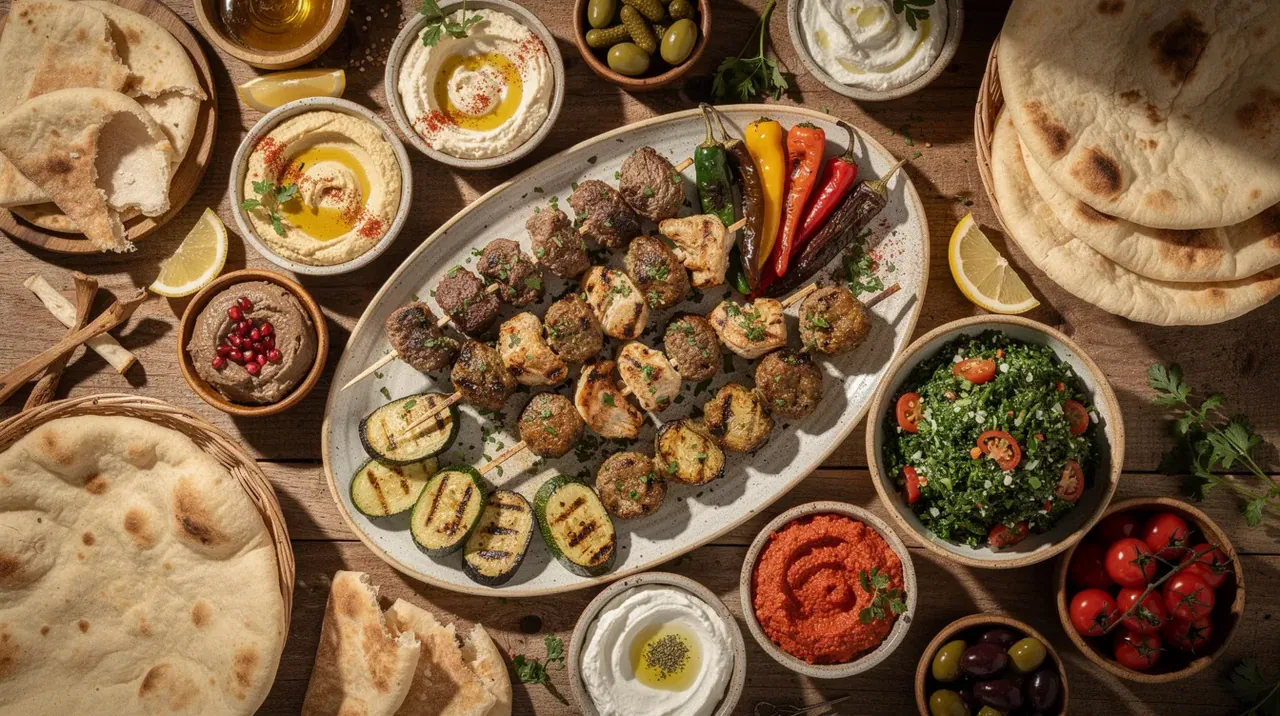
You order a simple grilled chicken salad. What arrives looks clean, fresh, wholesome. But somewhere between the kitchen and your table, that dish may have picked up a marinade loaded with soy sauce, a dressing thickened with dairy, or a seasoning blend that contains wheat. Nobody told you. It wasn't on the menu.
This is the reality of dining out for millions of people. Hidden ingredients in restaurant food are not rare exceptions. They are a routine feature of how professional kitchens operate. Understanding what goes into your meal, and why, is the first step toward eating out with genuine confidence.
Common Hidden Ingredients Restaurants Don't Disclose
Most restaurant menus describe a dish by its headline components. "Grilled salmon, asparagus, dill, potatoes" tells you the star players. It doesn't tell you about the butter used to baste the fish, the stock used to cook the potatoes, or the garlic compound that went into the dressing.
The Ingredients You Don't See
Across cuisines and price points, a handful of ingredients appear again and again without ever making it onto the menu description.
- MSG and flavor enhancers: Widely used in soups, sauces, marinades, and seasoning blends to intensify savory flavor. Not always listed, often hidden inside pre-made spice mixes.
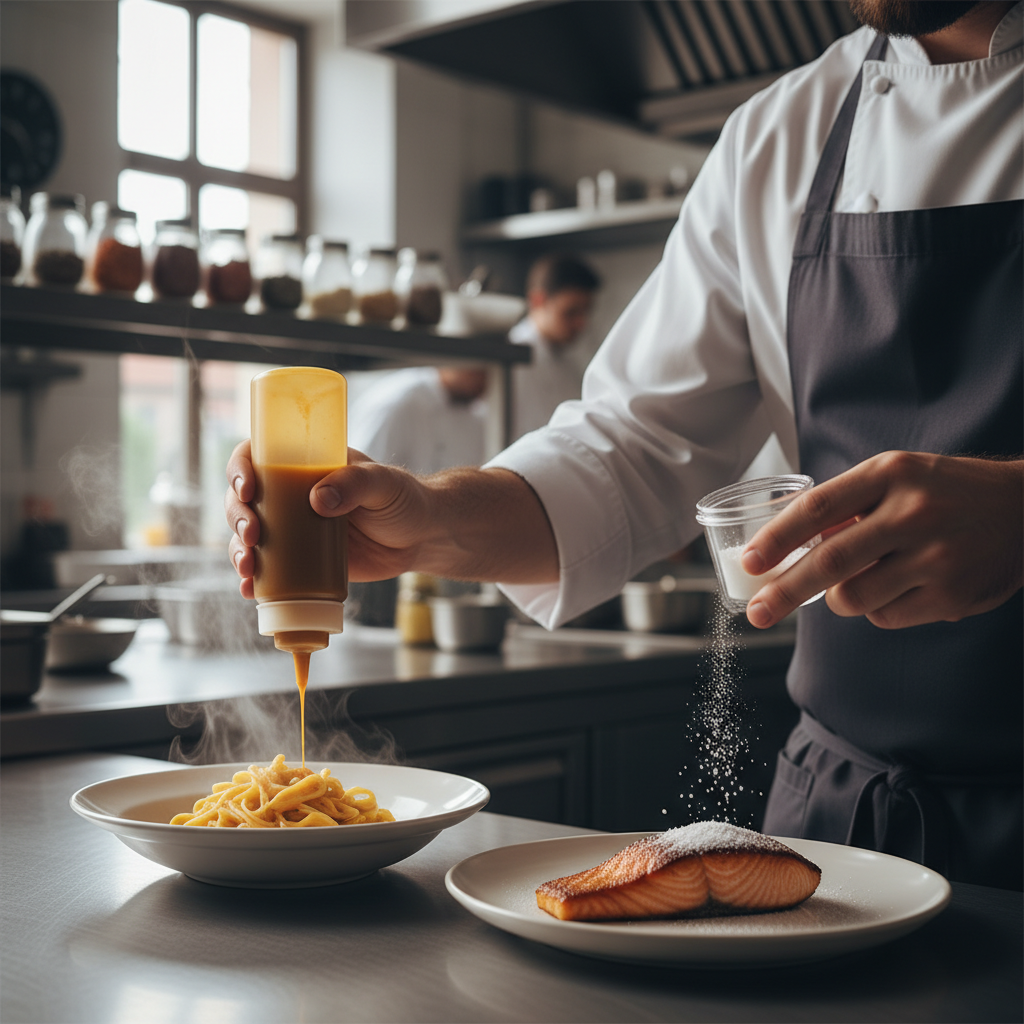
- Excess sodium: Restaurant dishes frequently contain two to three times the sodium of a comparable home-cooked meal. Salt is added at multiple stages: seasoning the protein, finishing the sauce, plating the dish.
- Fillers and thickeners: Flour, cornstarch, modified food starch, and dairy-based creamers are common in soups, gravies, and sauces. A dish labeled "gluten-free" can still carry cross-contact risk if thickeners were involved earlier in prep.
- Hidden allergens in unexpected places: Caesar dressing contains anchovies. Pad Thai typically contains peanuts. Miso carries soy. These connections aren't always obvious to a diner reading a menu description for the first time.
- Alcohol in cooking: Wine reductions, beer batters, and spirit-based flambés are standard techniques. The menu might say "pan sauce" without specifying that the base is white wine.
Why Restaurants Don't Disclose Everything
Menu real estate is limited. Chefs also adjust recipes based on ingredient availability, what's in season, or what prep staff made that day. There's a legitimate operational reason why menus don't read like ingredient labels. But that doesn't make the gap between what's listed and what's actually on the plate any less significant for diners with allergies, intolerances, or dietary requirements.
Common Dish | Frequently Undisclosed Ingredient | Why It's Used |
|---|---|---|
Caesar Salad | Anchovies (in dressing) | Classic recipe base, flavor depth |
Risotto | Wine, parmesan, butter | Texture, flavor development |
Pad Thai | Peanuts, fish sauce | Traditional preparation |
Soups and broths | Flour-based roux, dairy cream | Thickening, richness |
Grilled meats | Soy-based marinades | Tenderness, color, umami |
Health Risks: Allergies and Sensitivities from Undisclosed Ingredients
For most diners, an undisclosed seasoning is a minor surprise. For someone with a food allergy, it can be a medical emergency. The stakes of undisclosed ingredients in restaurants are not uniform. They scale sharply with the diner's sensitivity.
When Hidden Means Dangerous
The fourteen major allergens recognized under food safety regulations in many countries (including milk, eggs, fish, shellfish, tree nuts, peanuts, wheat, and soy) are required to be disclosed in various jurisdictions. But compliance is inconsistent, and the rules often apply to packaged food rather than restaurant preparation. A kitchen using a pre-made sauce that contains dairy may not flag that on the menu if dairy isn't a named component of the dish.
Cross-contamination adds another layer of risk. Shared fryer oil used for both battered fish and supposedly gluten-free fries is a well-documented problem. The same cutting board used for shellfish prep can transfer traces to vegetables prepared immediately after. These are kitchen realities that don't appear anywhere on a menu, yet they carry real consequences for diners with severe allergies.
The Spectrum of Reactions
Not every sensitivity sits at the same severity level. A mild lactose intolerance produces discomfort. A peanut allergy can trigger anaphylaxis within minutes. The challenge of dining out is that both scenarios require accurate ingredient information, but the consequences of getting it wrong are vastly different. Restaurants vary widely in their staff training around allergen protocols, their kitchen separation practices, and how confidently they can answer a direct question about a dish's preparation.
According to research published by food safety organizations, a significant proportion of allergic reactions linked to food service occur because of ingredient substitutions, shared equipment, or staff miscommunication rather than deliberate omission. The risk is systemic, not just a matter of individual carelessness.
How to Identify and Avoid Hidden Ingredients When Dining Out
The good news is that diners are not powerless. With the right habits and tools, navigating restaurant menu transparency becomes a manageable part of eating out rather than a source of constant anxiety.
Ask Better Questions Before You Order
Most kitchen staff are willing to help, but they respond better to specific questions than general ones. Instead of "Is this dish safe for me?", try:
- "Does the sauce contain any dairy or soy?"
- "Is this fried in the same oil as dishes containing gluten?"
- "Does the marinade include any nut-based ingredients?"
- "Can you check whether the dressing is made with anchovies?"
Specific questions give kitchen staff something actionable to verify. Vague ones are easier to answer with a reassuring but uninformed "yes."
Research Restaurants Before You Arrive
Many restaurants now publish allergen information on their websites or make it available on request. Looking before you go means you can identify potential problem dishes in advance rather than navigating the conversation under the pressure of a busy dining room.
Use Technology to Decode Menus
This is where the gap between what menus say and what dishes contain is starting to close. Tools built specifically for food allergy risks when dining out can analyze menu items and flag ingredients that aren't explicitly listed. A dish described only as "noodles, peanuts, chili oil" on a printed menu may not mention fish sauce. A Risotto Milanese listing "saffron, parmesan, wine" doesn't tell a dairy-free diner everything they need to know.
We built AlignEat to solve exactly this problem. By scanning any menu (whether it's a printed page, a QR code, a PDF, or even a handwritten chalkboard), AlignEat's AI cross-references what's listed against nutritionist-verified ingredient datasets to catch what the menu doesn't say. It also thinks about the kitchen, not just the plate. Shared fryer oil, reused cutting boards, and preparation methods that create cross-contact risk are all factored in. For groups and families with multiple dietary profiles, it maps every individual's requirements against every dish simultaneously, surfacing what works for the whole table.
The app also supports multilingual translation, which makes it genuinely useful when traveling. Asking a waiter in Singapore whether a street food dish contains shellfish, in English, while they're managing a busy stall, is a different experience from having a clear, translated answer in hand before you point at the dish.
A Note on Counterarguments
Some argue that diners with complex dietary needs should simply avoid restaurants where ingredient transparency is limited, or stick to cuisines that naturally avoid their problem ingredients. There's a kernel of practical wisdom in that. But it also places the entire burden on the diner, and it ignores the social reality that most people don't eat alone. Group dinners, work lunches, family celebrations, and travel all involve sharing a table with other people's preferences and other people's choices of restaurant. The more useful goal is not avoidance but informed navigation.
Looking Ahead
Regulatory pressure on restaurant allergen disclosure is growing in several major markets. The UK's Natasha's Law, which came into force in 2021, extended full ingredient labeling requirements to pre-packaged-for-direct-sale food. Similar conversations are happening in the EU, Australia, and the US. As consumer expectations shift and technology makes ingredient analysis faster and more accessible, the restaurant industry is likely to move toward greater transparency. Menus that actively communicate allergen information will become a competitive differentiator, not just a compliance checkbox.
AI-powered tools that sit between the diner and the menu are also likely to become standard for anyone navigating dietary requirements. Real-time ingredient analysis, group dietary coordination, and multilingual support are already possible. The question is how quickly they become part of how people routinely eat out.
Frequently Asked Questions
What are the most common hidden ingredients in restaurant food?
The ingredients most frequently present but undisclosed in restaurant dishes include soy-based marinades, dairy in sauces and soups, wheat-based thickeners, anchovies in dressings (particularly Caesar), peanuts in Asian-style dishes, and wine or alcohol in pan sauces. Sodium is also typically present at much higher levels than a diner would expect based on the menu description alone.
How serious are the health risks from undisclosed allergens when dining out?
The severity depends entirely on the individual's sensitivity. For diners without allergies or intolerances, hidden ingredients are rarely a health concern. For those with diagnosed food allergies, particularly to peanuts, tree nuts, shellfish, or dairy, undisclosed ingredients and cross-contamination in restaurant kitchens represent a genuine medical risk. Reactions can range from digestive discomfort to anaphylaxis, which is a life-threatening emergency requiring immediate treatment.
Can a menu-scanning app reliably identify hidden ingredients?
A well-designed app that cross-references menu descriptions against verified ingredient datasets can identify ingredients that aren't explicitly listed, flag preparation-related cross-contact risks, and translate menus in other languages. No tool eliminates the need to communicate directly with restaurant staff for high-severity allergies, but using one significantly reduces the chance of ordering something problematic without realizing it.