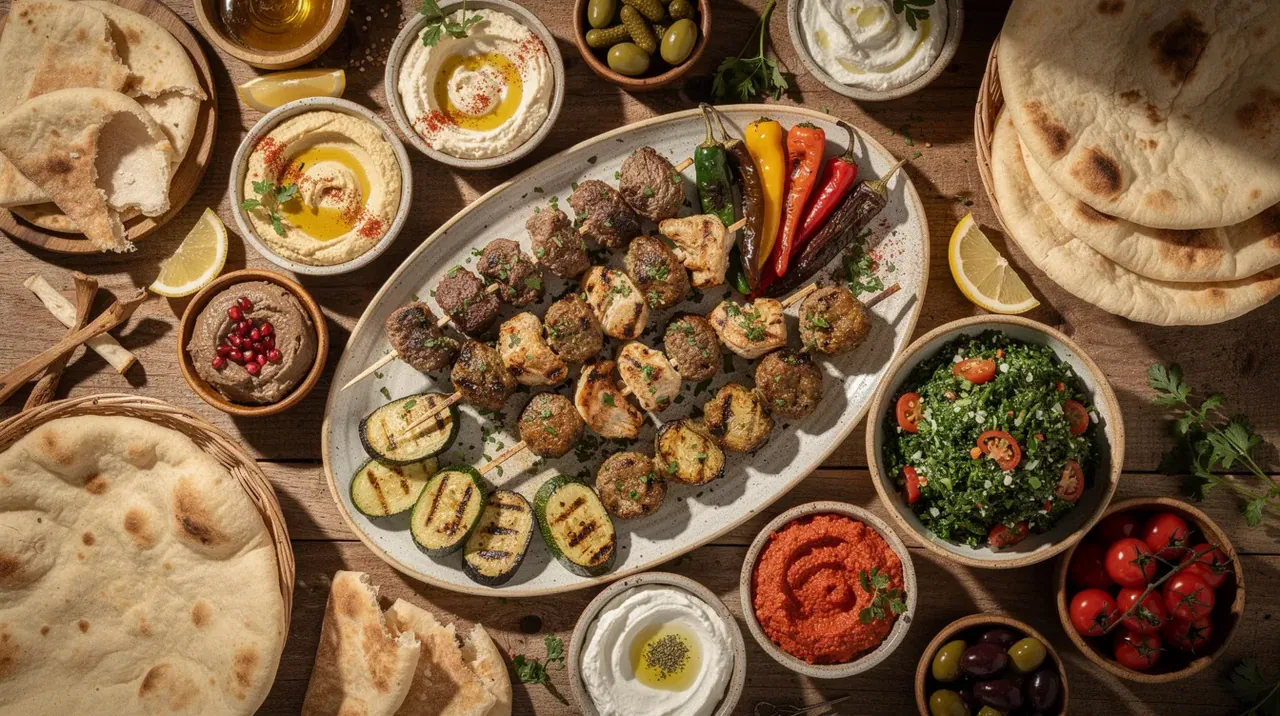
Middle Eastern cuisine can feel like a safe place to eat: grilled meats, herbs, tomatoes, onions, chickpeas, vegetables, rice, and olive oil. But hidden dairy in middle eastern food is common in sauce, marinades, dips, desserts, and even “plain” sides, so this guide shows what to watch, what to ask, and how Align Eat helps you choose a safer meal.
Quick Answer: Is There Hidden Dairy in Middle Eastern Food?
Yes. Middle Eastern food often looks dairy-light, but milk can hide in creamy garlic sauces, labneh spreads, laban marinades, ghee-coated rice, and pastries filled with cheese or ashta.
- Shish taouk: chicken is often marinated in yogurt or laban.
- Shawarma wraps: garlic sauce may include yogurt, buttermilk, or mayo with milk proteins.
- Halal-cart “white sauce”: one example, Shah’s Halal Food, lists dried buttermilk in its white sauce.
- Labneh: strained yogurt served as a dip or sandwich spread.
- Kunafa: usually made with akkawi or nabulsi cheese and sometimes clotted cream.
- Rice & lentil dishes, like Koshari and Mujadara, are sometimes enriched with butter or ghee for extra richness.
- People with milk allergies or lactose intolerance should always ask before ordering shawarma, shish taouk, kebabs, and mezze dips.
- Align Eat specializes in simplifying Middle Eastern dining for people with food allergies, dietary restrictions, low carb goals, and high-protein preferences by using AI-powered decoding to extract and match information against real food and allergen databases.
Why Dairy Hides So Easily in Middle Eastern Cuisine
Traditional Middle Eastern cooking uses strained yogurt, labneh, yogurt drinks like laban and ayran, and ghee in ways that are not always obvious on an English menu. A dish may simply say “garlic chicken,” “rice,” or “eggplant,” while the ingredients list includes yogurt, butter, cream, or milk solids.
Cultural habits matter: yogurt tenderizes meats, stews may be finished with butter or ghee, and labneh can be used like cream cheese in sandwiches with bread, veggies, tomatoes, and onions. Ghee is a traditional cooking fat in Middle Eastern and Gulf cuisines, used to sauté, fry, or add flavor to dishes. Ghee is heavily used in the preparation of dishes like Kabsa or Ouzi to coat the rice grains and provide a savory undertone.
When restaurants “expand user menu” for Western diners with wraps, burgers, fusion bowls, pasta sides, bacon-style toppings, or a buttered bun, they often add extra cheese, cream sauces, and mayo blends. Many restaurants in 2024–2026 still do not mark milk as clearly as top US or UK allergy-aware restaurants, especially small family spots.
- Dairy is rarely visible, but often appears in dressings, emulsions, marinades, and finishing fats.
Common Middle Eastern Dishes That Quietly Contain Dairy
Many dishes are safe only when prepared simply. Middle Eastern cuisine often includes dishes that are naturally dairy-free, making it a good option for those who cannot tolerate dairy, but restaurant versions can change the risk.
- Mezze: labneh, cacik, tzatziki, Turkish haydari, and mutabal or baba ghanoush variations blended with yogurt.
- Grilled meats: shish taouk in Lebanon and Gulf countries is often marinated in yogurt; some shawarma marinades use laban; kofta may be served with yogurt-based sauce.
- Pastries: cheese-filled fatayer, Turkish börek with feta, Egyptian meshaltet served with cream or cheese, and kunafa with akkawi, nabulsi, or ashta.
- Rice and grains: Lebanese and Egyptian roz bel laban are milk rice puddings; pilafs may be cooked with butter or ghee; freekeh may arrive with yogurt on the side.
- Soups and stews: shorbat laban, Turkish yayla çorbası, and fast food mall-chain lentil soups may include cream or butter.
- Salads and sandwiches: fattoush can use yogurt dressing; chicken shawarma wraps often include garlic yogurt; manakish and pide may be topped with mixed cheeses.
Surprising Places Dairy Shows Up: Sauces, Spreads, and Sides
Sauces are the most frequent source of hidden dairy in middle eastern food served through 2024 restaurants and takeaway apps.
- Garlic sauce / toum risk: real toum can be dairy-free, but some shops bulk it out with yogurt, sour cream, or mayo.
- White sauce risk: halal carts in New York, London, Toronto, Houston, and Dubai may use yogurt, sour cream, or buttermilk.
- Hummus risk: modern “top posts” recipes and Instagram cafés sometimes blend hummus with feta, labneh, or yogurt for creaminess.
- Side dish risk: mashed potatoes, purees, grilled vegetables, and eggplant dishes may be finished with butter, cream, or yogurt drizzle.
- Ghee risk: ghee is a dairy product; it may be low in lactose, but it is still risky for milk-protein allergies because trace casein or whey can remain, as allergy groups such as FARE warn about milk-derived ingredients.
Hidden Dairy in Middle Eastern Fast Food and Street Food
Modern fast food kebab shops, food trucks, and delivery apps from 2020–2026 have made hidden dairy more common. A shawarma shop might serve classic meats, then add creamy sauces, loaded fries, and fusion bowls that sound healthy but carry milk.
Watch shawarma and doner wraps with yogurt-heavy garlic sauce, cheese-added wraps, or ranch-style sauces with buttermilk. Loaded fries and bowls may include feta crumbs, labneh dollops, garlic yogurt, or sour cream. Kafta burgers, halloumi burgers, and milk-based burger buns brushed with butter are also common.
Even low carb protein bowls can contain labneh, feta, or yogurt dressing unless you ask for no yogurt, no cheese, no butter, and less rice. Align Eat encourages diners to customize app notes, double-check on pickup, and not assume “salad bowl” means dairy-free.
Dairy vs. Dairy-Free: Traditional Versions and Safe Swaps
Many Middle Eastern dishes can be dairy-free if cooked traditionally, while restaurant variations add milk products. For example, falafel is often dairy-free, but falafel bowls may add yogurt tahini; mujaddara is lentils and rice, but some kitchens enrich it with butter; plain lamb kebabs may be safe, while yogurt-marinated versions are not.
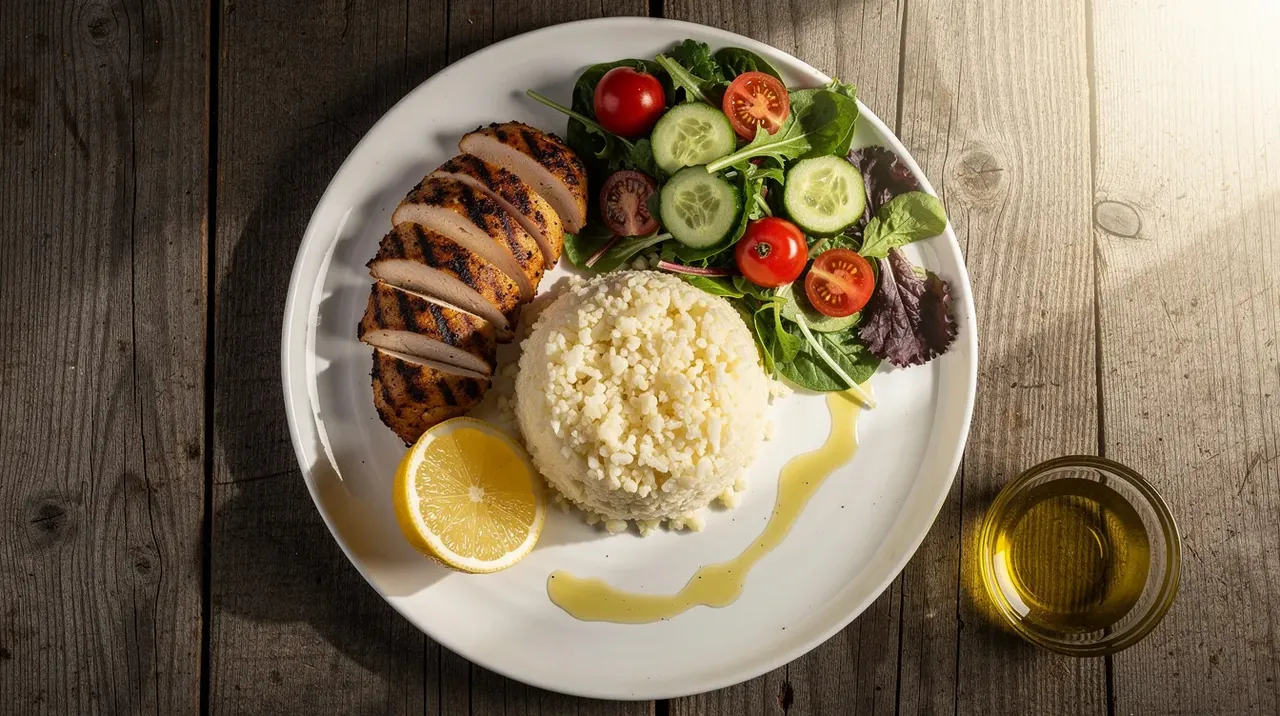
Use tahini sauce instead of yogurt sauce, olive oil dressings instead of creamy dressings, hummus without labneh, and oil instead of ghee. To keep a meal low carb and dairy-free, choose grilled meats, salads with lemon and oil, grilled vegetables, and hummus without added yogurt or cheese.
Cauliflower can be used as a low-carb substitute for rice in recipes like Fried Rice, making it suitable for those with dietary restrictions. Zucchini can be used in place of traditional lasagna noodles in recipes like Zucchini Lasagna Roll-Ups, providing a gluten-free option for those avoiding wheat. These swaps are helpful when cravings hit but carbs, gluten, sugar, oats, fruits, or stomach concerns shape your diet.
How to Ask About Hidden Dairy in Middle Eastern Restaurants
When dining out, it is crucial to communicate your food allergies clearly to the restaurant staff to ensure your safety. Say “milk allergy” if you are allergic, then mention butter, yogurt, labneh, cream, cheese, and ghee; do not rely on “no dairy” alone.
Ask direct questions:
- Is the shawarma or shish taouk marinated in yogurt or laban?
- Does the garlic sauce have yogurt, milk, buttermilk, sour cream, or cheese?
- Is the rice cooked with butter or ghee?
- Are the vegetables brushed with butter?
- Can you check the ingredients with the chef?
Researching the restaurant's menu online before visiting can help you identify potential allergens and prepare questions for the staff. Check websites, allergy filters, reviews, and delivery notes; if you see comments like “2mo ago,” “3mo ago,” “personally had a reaction,” or “new to reddit” threads with top posts, treat them as clues, not proof. Call ahead, use contact forms, and if a site says create your account, continue with phone number, account and connect, connect with a world, world of communities, collapse navigation, or acknowledge that you understand, still verify with a human.
Cross contact also matters: shared grills, tongs, knives, boards, fryers, and sauce spoons can move milk from cheesy manakish to a “plain” dish. Carry an allergy card in Arabic, Turkish, or Farsi when traveling, and ask staff to serve your meal with clean tools at a clean table.
Align Eat’s Role: Making Middle Eastern Food Safer for Allergy-Aware Diners
Align Eat helps readers eat Middle Eastern and Mediterranean food while staying aware of allergies, low carb goals, protein needs, and real-life family dinners. Our guides highlight hidden dairy in middle eastern food, then create practical checklists, recipes, and ordering notes for busy night meals, salmon plates, chicken bowls, kebabs, and the rest of the stuff people actually order.
Our top posts often cover dairy-free shawarma bowls, falafel plates, mezze spreads, grill nights, and desserts. We also show swaps like coconut yogurt marinades, olive oil–based garlic sauce, dairy-free kunafa-style desserts, and veggie-heavy plates that still feel satisfying.
If you are talking to staff, be careful, mention your allergies clearly, watch for sauce and ghee, and carry backup food if the risk sounds unclear. Explore more Align Eat guides to plan safer meals, ask better questions, and enjoy Middle Eastern food with confidence.