
On this page
- Why Middle Eastern cuisine catches dairy-avoiders off guard
- The 12 hidden dairy culprits you need to know
- A quick reference guide to dairy risk levels
- The counterargument: isn't this just being overly cautious?
- How to navigate this smarter when you're dining out
- What the future looks like for allergen transparency
- Frequently Asked Questions
You've done everything right. You've scanned the menu, you've avoided the obvious suspects, and you've chosen what seems like a safe, dairy-free plate. Then, about twenty minutes into the meal, your stomach starts to protest. Sound familiar?
Middle Eastern cuisine is often celebrated for being naturally plant-forward and allergy-friendly. Lentil soups, grilled meats, fresh herbs, olive oil. What's not to love? But if you're managing lactose intolerance or a dairy allergy, this cuisine hides some genuinely surprising traps. Some of them don't even taste creamy. Some are buried so deep in a preparation method that they're invisible unless you know exactly what to ask.
We've put together this guide for anyone who's ever left a Middle Eastern restaurant feeling betrayed by a dish that seemed perfectly safe. Let's break down the 12 most common hidden dairy ingredients in Middle Eastern cuisine that almost nobody warns you about.
Why Middle Eastern cuisine catches dairy-avoiders off guard
There's a reasonable assumption that cuisines built around legumes, grains, and spices are inherently dairy-free. And much of the time, they are. But Middle Eastern food has a rich culinary tradition that spans dozens of countries, each with its own variations on classic dishes. What's vegan in a Lebanese home kitchen might be made entirely differently at a restaurant in Dubai, Istanbul, or London.
The challenge isn't just the obvious cheese or cream. It's the butter stirred into rice at the end of cooking. It's the yogurt used as a marinade for grilled chicken that burns off on the grill but leaves traces of dairy in Middle Eastern sauces and drippings. It's the ghee that many diners don't realize is a dairy product at all.
According to Food Allergy Research and Education, milk is one of the nine most common food allergens globally, affecting millions of people across all age groups. The stakes aren't just digestive discomfort. For some diners, exposure to hidden dairy is a genuine medical concern.
The 12 hidden dairy culprits you need to know
1. Ghee (Samn)
Ghee is clarified butter, and it's one of the most widely used cooking fats across Middle Eastern and South Asian cuisines. Because the milk solids are removed during the clarification process, some people assume it's dairy-free. It isn't. Ghee retains traces of milk proteins, and for anyone with a dairy allergy (not just lactose intolerance), it remains a risk. It's used liberally in rice dishes, pastries, and as a finishing fat on grilled meats.
2. Labneh
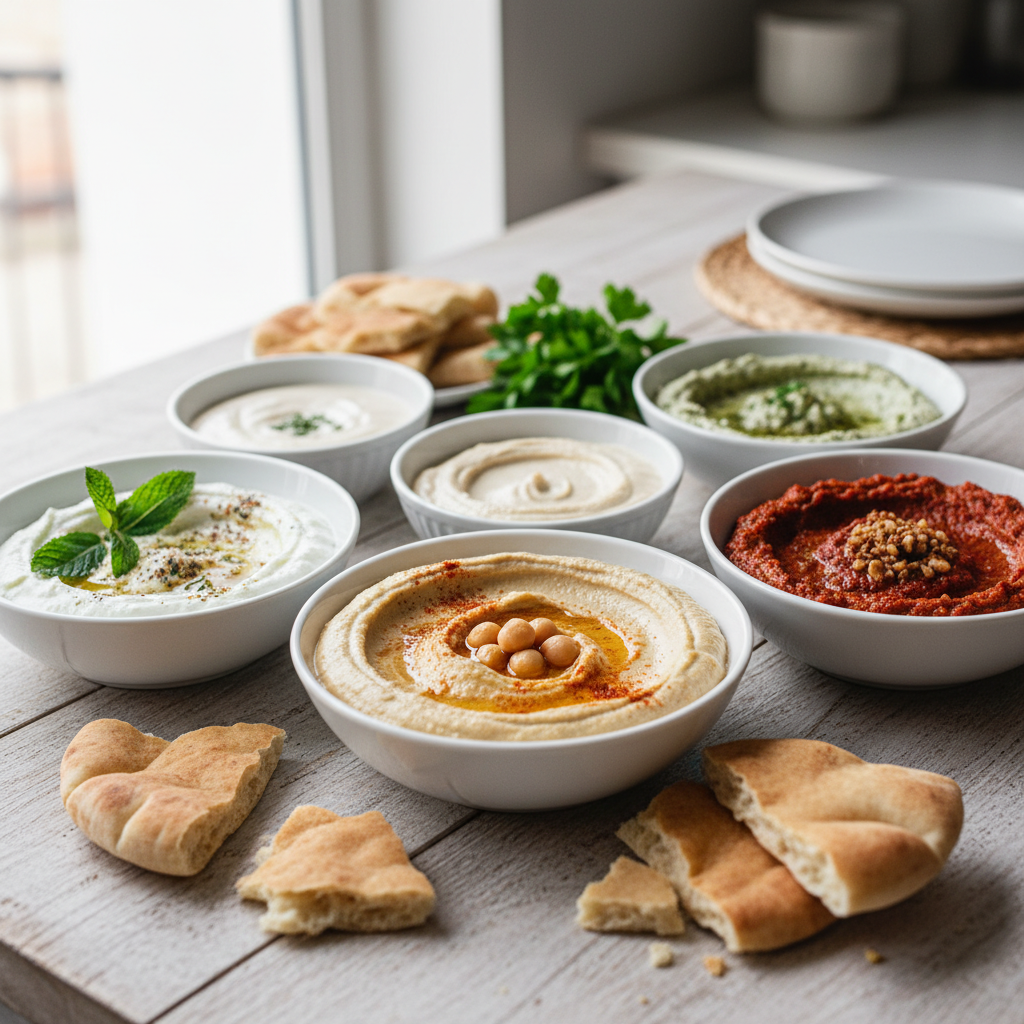
Labneh is strained yogurt, thick enough to be served as a spread or dip. It's ubiquitous across Lebanese, Palestinian, and Syrian menus. Because its texture resembles a soft cheese or hummus-style dip, many diners don't immediately identify it as dairy. Always ask before assuming any white dip is safe.
3. Yogurt-based marinades
Grilled meats like shish tawook and certain kebabs are frequently marinated in spiced yogurt overnight. The yogurt tenderizes the protein beautifully, but even after high-heat cooking, residual dairy proteins can remain. The dish arrives looking like plain grilled chicken. Nothing on the plate signals dairy.
4. Butter-finished rice (Roz)
Rice dishes across the region, from Persian-style saffron rice to simple Egyptian roz bil shaghria, are often finished with a generous knob of butter just before serving. This adds gloss and flavor but isn't declared on menus. The rice looks plain. The dairy is completely invisible.
5. Kashkaval and similar cheeses in pastries
Savory pastries like börek, sambousek, and fatayer sometimes contain Kashkaval, a yellow semi-hard cheese popular in Turkish and Levantine cooking. It melts into the filling and doesn't announce itself visually in the same way as, say, a slice of halloumi on a salad.
6. Kishk
Kishk is a fermented powder made from yogurt and bulgur wheat, used to thicken soups and sauces across Lebanon and Syria. It has a tangy, funky flavor that reads more like a spice than a dairy product. Many diners have no idea it's in their soup.
7. Fatteh
This layered dish of toasted bread, chickpeas, and sauce is a breakfast staple in the Levant. What makes it creamy is almost always a yogurt-based sauce, sometimes combined with tahini. On a menu, it may simply read as "chickpeas with bread," which tells you nothing about the dairy component.
8. Cream in Egyptian Koshari variations
Traditional koshari is naturally dairy-free. But restaurant adaptations sometimes add cream or butter to the tomato sauce base for richness. This is a good example of why regional variations matter. A dish that's safe at one restaurant may not be safe at another.
9. Sahlab (Salep)
This warm, thick drink made from orchid root starch is almost always prepared with full-fat milk. It's served as a comforting winter beverage across Turkey, Egypt, and the Levant. It tastes like a dessert drink, but the dairy content is substantial.
10. Halva with milk solids
Plain sesame halva is dairy-free. But many commercial and restaurant versions add milk powder or butter to improve texture and shelf life. The addition doesn't change the appearance and is rarely mentioned. Milk powder is a common food additive used across confectionery and snack products, often under names like "milk solids" or "dried whole milk."
11. Ma'amoul filling variations
Ma'amoul are semolina shortbread cookies typically filled with dates, walnuts, or pistachios. Some bakery versions, particularly those from certain Lebanese and Syrian traditions, include a cream or milk-based filling. They look identical to the dairy-free versions from the outside.
12. Clarified butter in meze spreads
Even hummus, arguably the most famous dish in the region, occasionally gets a drizzle of clarified butter or ghee as a garnish in certain restaurant presentations. A dish that should be completely vegan arrives with a hidden dairy finishing touch that no menu description would ever mention.
A quick reference guide to dairy risk levels
Dish / Ingredient | Dairy Type | Risk Level | Dairy-Free Alternative Available? |
|---|---|---|---|
Ghee (Samn) | Clarified butter | High | Yes (olive oil) |
Labneh | Strained yogurt | High | Rarely |
Shish Tawook | Yogurt marinade | Medium | Sometimes |
Butter-finished rice | Butter | Medium | Yes (request olive oil) |
Fatteh | Yogurt sauce | High | Rarely |
Sahlab | Full-fat milk | High | Sometimes (plant milk) |
Kishk | Fermented yogurt | High | No |
Halva (commercial) | Milk powder | Medium | Yes (pure sesame halva) |
The counterargument: isn't this just being overly cautious?
Some people might push back here. Middle Eastern food is considered one of the healthiest cuisines in the world. The Mediterranean and Levantine diets are well-studied for their benefits. Why create anxiety around a cuisine that's largely wholesome and plant-rich?
That's a fair point, and we don't want to suggest that dining out on Middle Eastern food should feel like navigating a minefield. For most people, it's genuinely one of the more accommodating cuisine types. There are dozens of dishes that are naturally dairy-free Middle Eastern dining options: falafel, tabbouleh, mujaddara, grilled fish with chermoula, most mezze spreads built around vegetables and legumes.
The issue is specifically for those who *can't afford* accidental exposure. A small amount of residual yogurt in a marinade doesn't matter to most diners. For someone managing a severe dairy allergy or celiac-level sensitivity to cross-contamination, it absolutely does. The goal isn't to make anyone paranoid. It's to make sure people with real dietary restrictions have the information they need to dine safely.
How to navigate this smarter when you're dining out
Ask the right questions
Vague questions get vague answers. Instead of asking "does this have dairy?", try being more specific:
- "Was the meat marinated in yogurt before grilling?"
- "Is the rice finished with butter or ghee?"
- "Does the dip contain labneh or any yogurt?"
- "Was any milk or cream added to the sauce?"
Servers at many restaurants, particularly in busy service environments, may not know the answer off the top of their heads. Asking specifics gives them something to verify with the kitchen rather than guessing.
Use technology to decode menus before you arrive
One practical shift that makes a real difference is analyzing menus *before* you sit down. Tools like AlignEat use AI to scan restaurant menus and flag dishes that may conflict with your dietary needs, including lactose hidden ingredients that aren't obvious from menu descriptions alone. Arriving at a restaurant already knowing which dishes are safe means less reliance on server knowledge and less risk of accidental exposure.
Default to safer preparation methods
When in doubt, dishes cooked with olive oil rather than butter or ghee are generally safer bets. Grilled and roasted preparations where you can see the ingredients clearly carry less risk than sauced dishes, stews, or anything described as "creamy" or "rich." Plain rice, grilled proteins, and vegetable-forward dishes with visible ingredients tend to be the most transparent options on any Middle Eastern menu.
A note on cross-contamination
For those with severe allergies (rather than intolerance), cross-contamination is its own concern. Shared cooking surfaces, utensils used for both dairy and non-dairy dishes, and fryers used for both cheese pastries and falafel all present risk. This is a conversation worth having with restaurant staff before ordering, particularly at smaller establishments where kitchen space is shared.
What the future looks like for allergen transparency
Allergen labeling regulations vary significantly around the world. In the EU, restaurants are legally required to disclose the 14 major allergens, including milk, either on menus or verbally on request. In many other markets, requirements are less consistent, and enforcement is patchy even where rules exist.
The direction of travel, though, is clearly toward greater transparency. Consumer demand for clearer ingredient disclosure is growing, and AI-powered tools are beginning to fill the gap between what menus say and what diners actually need to know. In the next few years, we expect real-time menu scanning to become as routine as checking a restaurant's Google rating before you book. The combination of better regulation and smarter technology means that navigating hidden dairy in Middle Eastern dining (and in any cuisine) will become considerably less stressful than it is today.
For now, the best protection is knowledge. Understanding which ingredients carry risk, knowing which questions to ask, and using the right tools to prepare before you eat puts you firmly in control of your dining experience rather than at the mercy of incomplete menu descriptions.
Frequently Asked Questions
Is hummus always dairy-free?
Traditional hummus made from chickpeas, tahini, lemon, and garlic is naturally dairy-free. The concern arises in restaurant presentations where some kitchens drizzle clarified butter or ghee over the top as a garnish. This isn't standard practice everywhere, but it does happen. If you're managing a dairy allergy, it's worth asking whether the hummus is served plain or finished with any butter-based topping before ordering.
Can lactose-intolerant people eat ghee safely?
This depends on the individual's level of sensitivity. Ghee is clarified butter with most of the milk solids removed, which means it contains very little lactose. Many people with lactose intolerance find they can tolerate small amounts of ghee without symptoms. However, ghee still contains trace milk proteins, which means it is not safe for anyone with a diagnosed milk allergy or a condition like galactosemia. If you're lactose intolerant rather than allergic, you may be fine with ghee, but it's worth testing cautiously and speaking with a healthcare provider if you're unsure.
How can I reliably identify hidden dairy on a restaurant menu?
The honest answer is that menu descriptions alone rarely give you the full picture. The most reliable approach combines three things: knowing which dishes commonly contain hidden dairy (as covered in this guide), asking specific and targeted questions to kitchen staff rather than general ones, and using a tool that can analyze menus against your dietary profile before you arrive. AI-powered menu companions are increasingly useful here, particularly when dining at unfamiliar restaurants or in cuisines you don't know well. The more preparation you do before sitting down, the less guesswork you're doing at the table.