
On this page
- Why shellfish allergies demand a cuisine-specific approach
- Cuisines with the highest shellfish cross-contamination risk
- Medium-risk cuisines: where shellfish hides in plain sight
- A counterpoint worth considering
- Practical strategies for safer dining across any cuisine
- Looking ahead: how technology is changing allergy-safe dining
- Frequently Asked Questions
Eating out with a shellfish allergy should feel like a pleasure, not a calculation. Yet for millions of people worldwide, every restaurant visit involves a silent risk assessment: What's hiding in that sauce? Was this pan used for prawns ten minutes ago? Is that broth made with shrimp paste?
The challenge isn't always the obvious dishes. It's the invisible ones. Shellfish hidden in cuisines shows up as fermented pastes, flavoring sauces, shared fryers, and garnishes that never make it onto the menu description. And the risk varies dramatically depending on where you're eating.
This guide breaks down shellfish allergy cross-contamination by cuisine, so you know exactly where to be cautious, what questions to ask, and how to dine with genuine confidence rather than nervous guesswork.
Why shellfish allergies demand a cuisine-specific approach
Not all kitchens treat shellfish the same way. In some culinary traditions, shellfish is a foundational flavoring ingredient woven into stocks, pastes, and sauces. In others, it appears only as a standalone protein that's easier to identify and avoid. The distinction matters enormously for anyone managing a shellfish allergy.
According to FARE (Food Allergy Research and Education), shellfish is one of the most common food allergens globally, and reactions can range from mild hives to severe anaphylaxis. What makes it particularly tricky is that the allergy often persists throughout adulthood and tends to worsen with repeat exposure.
The risk isn't just about eating shellfish intentionally. Seafood cross-contamination risk is real in kitchens where shellfish is processed, cooked, or stored alongside other ingredients. A shared cutting board, a splash of shrimp stock, or even airborne steam from boiling seafood can trigger a reaction in highly sensitive individuals.
The two categories of risk
When we talk about shellfish allergy dining out, there are two distinct risks to understand:
- Intentional inclusion: Shellfish is a listed or expected ingredient in the dish (prawns in a stir-fry, mussels in a broth).
- Unintentional cross-contamination: Shellfish is used elsewhere in the kitchen and trace amounts transfer via shared equipment, oils, surfaces, or preparation areas.
The second category is what catches most people off guard. You can spot the obvious dishes. It's the hidden transfer that requires a deeper understanding of how each cuisine operates.
Cuisines with the highest shellfish cross-contamination risk
The cuisines with the highest shellfish risk tend to share a few common traits: shellfish is used as a base flavoring rather than a garnish, shared cooking surfaces are the norm, and shrimp or crab-derived pastes and sauces are pantry staples.
East and Southeast Asian cuisines
This is arguably the highest-risk category for shellfish allergy cross-contamination by cuisine. Thai, Vietnamese, Indonesian, Malaysian, Filipino, and Chinese cooking all make frequent and often invisible use of shellfish-derived ingredients.
Consider these common hidden sources:
- Shrimp paste (belacan, bagoong, gapi): Used as a base flavoring in curries, stir-fries, sambal sauces, and rice dishes across Southeast Asia. It's rarely listed on menus.
- Oyster sauce: A staple in Chinese, Thai, and Vietnamese cooking, used in vegetable dishes, noodles, and marinades, including many dishes that don't obviously contain seafood.
- Dried shrimp: Used as a seasoning in soups, salads (including papaya salad), and fried rice throughout the region.
- Fish sauce with shrimp: Some blended fish sauces contain shrimp extract.
- Shared woks and fryers: High-volume kitchens often cook shrimp dumplings, prawn crackers, and other shellfish items on the same surfaces within minutes of preparing other dishes.
Even ostensibly vegetarian dishes in these cuisines may contain shrimp paste or oyster sauce unless the restaurant specifically caters to Buddhist vegetarian standards. Always ask specifically about shrimp paste, not just whether a dish "has seafood."
Japanese cuisine
Japanese restaurants carry moderate to high risk depending on the establishment type. Sushi and sashimi restaurants handle shellfish constantly, and shared knives, boards, and sushi rice preparation areas create real cross-contact risk.
Tempura fryers are a particularly significant concern. If a restaurant fries prawn tempura in the same oil as vegetables or tofu, seafood cross-contamination is almost certain. Miso-based soups may also contain dried shrimp or prawn-flavored stock in some regional variations.
South Asian cuisines
Indian, Sri Lankan, and Bangladeshi coastal cuisines incorporate prawns and crab regularly, but the risk varies significantly by region and dish type. Northern Indian and vegetarian-focused South Indian restaurants carry much lower risk than coastal Goan, Bengali, or Keralan kitchens where seafood curry is a centerpiece.
The contamination risk here is more about shared pots and utensils in busy kitchens than about hidden flavoring ingredients, though dried shrimp does appear in some regional preparations.
Medium-risk cuisines: where shellfish hides in plain sight
Not every cuisine uses shellfish as a flavoring base, but several traditions still carry meaningful cross-contamination risk due to preparation practices or occasional hidden inclusions.
Mediterranean and Southern European cuisines
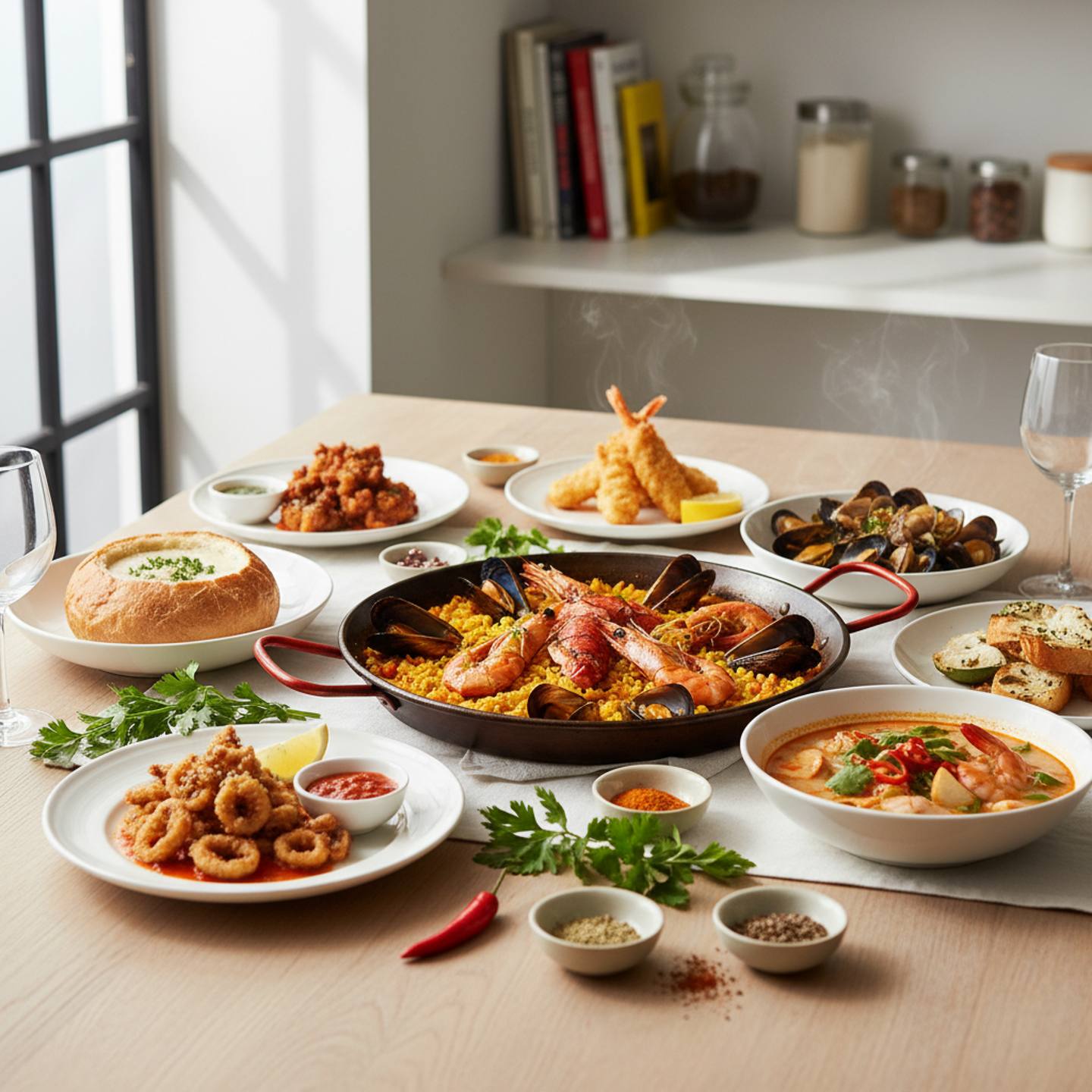
Spanish, Portuguese, Italian, and Greek cooking all feature shellfish prominently, particularly in seafood-forward dishes like paella, pasta alle vongole, and seafood stews. The risk of hidden shellfish ingredients in non-seafood dishes is generally lower than in East Asian cooking, but shared fryers (calamari alongside other items), fish stock used in risottos, and seafood-heavy kitchen environments still create real exposure.
Paella is worth mentioning specifically. In a traditional paella restaurant, the pans used to make shellfish-laden versions may be the same pans used for other preparations.
West African and Caribbean cuisines
Dried and smoked shrimp feature in West African cooking as a seasoning base in stews, soups, and rice dishes, much like shrimp paste in Southeast Asia. It's an ingredient that rarely appears on menus but is commonly used in home-style and restaurant preparations of dishes like egusi soup and jollof rice variants.
Caribbean cooking also uses dried shrimp in some regional dishes, and seafood is often cooked alongside other proteins in casual settings.
Cuisine Type | Risk Level | Primary Hidden Sources | Key Questions to Ask |
|---|---|---|---|
Thai / Vietnamese / Filipino | Very High | Shrimp paste, dried shrimp, oyster sauce | "Does this contain shrimp paste or dried shrimp?" |
Chinese / Malaysian / Indonesian | Very High | Oyster sauce, dried shrimp, shared woks | "Is oyster sauce used in this dish?" |
Japanese | High | Shared fryers, sushi prep areas, some miso stocks | "Is prawn tempura fried in the same oil?" |
South Asian (coastal) | Medium-High | Shared utensils, dried shrimp in regional dishes | "Is this kitchen shellfish-free or do you cook seafood here?" |
Mediterranean / Southern European | Medium | Shared fryers, fish stock in risottos, paella pans | "Is shellfish cooked in the same fryer or stock?" |
West African / Caribbean | Medium | Dried shrimp as flavoring in stews and rice | "Is dried shrimp used in the seasoning or base?" |
Northern European / Central European | Low-Medium | Occasional prawn bisques, mixed seafood specials | "Are there any shellfish-based stocks or soups?" |
A counterpoint worth considering
Some diners with shellfish allergies find that their reactions are inconsistent across restaurants, and they start to wonder whether they're being overly cautious. This is understandable, and it reflects a real complexity in allergy science.
Individual sensitivity thresholds vary widely. Some people react to trace cross-contact; others only react to direct consumption of shellfish. This doesn't mean lower-sensitivity individuals can ignore the risk entirely. Reactions can intensify unpredictably, especially with repeated low-level exposures or during periods of immune stress. The guidance in this article is not meant to create anxiety. It's meant to give you the specific knowledge to have smarter conversations and make genuinely informed choices, rather than either avoiding entire cuisine categories or dismissing real risks.
Understanding how common food additives and flavor ingredients work can also help decode which processed or restaurant-prepared ingredients might carry hidden shellfish derivatives.
Practical strategies for safer dining across any cuisine
Knowledge of cuisine-specific risks is only useful if you can act on it. Here's how to translate this information into real-world safer dining.
Before you arrive
- Check the restaurant's menu online before visiting. Look for oyster sauce, shrimp paste, or dried shrimp listed in dish descriptions.
- Call ahead during off-peak hours when staff have time to speak with you properly about allergens.
- Use tools like AlignEat to instantly scan and decode menus from restaurants worldwide, identifying which dishes are safe for your specific dietary needs before you even walk through the door.
At the restaurant
- Be specific when speaking with servers. Instead of "I'm allergic to shellfish," say "I'm allergic to shrimp, prawns, crab, lobster, and shellfish, including ingredients like shrimp paste, oyster sauce, and dried shrimp."
- Ask whether shellfish items share cooking surfaces or fryers with other dishes.
- In high-risk cuisines, consider ordering dishes that are least likely to contain shellfish by tradition (steamed plain rice, non-sauce-based dishes) rather than dishes that rely on complex flavor bases.
- If staff seem uncertain or dismissive, trust that instinct. Your safety matters more than politeness.
When to be extra cautious
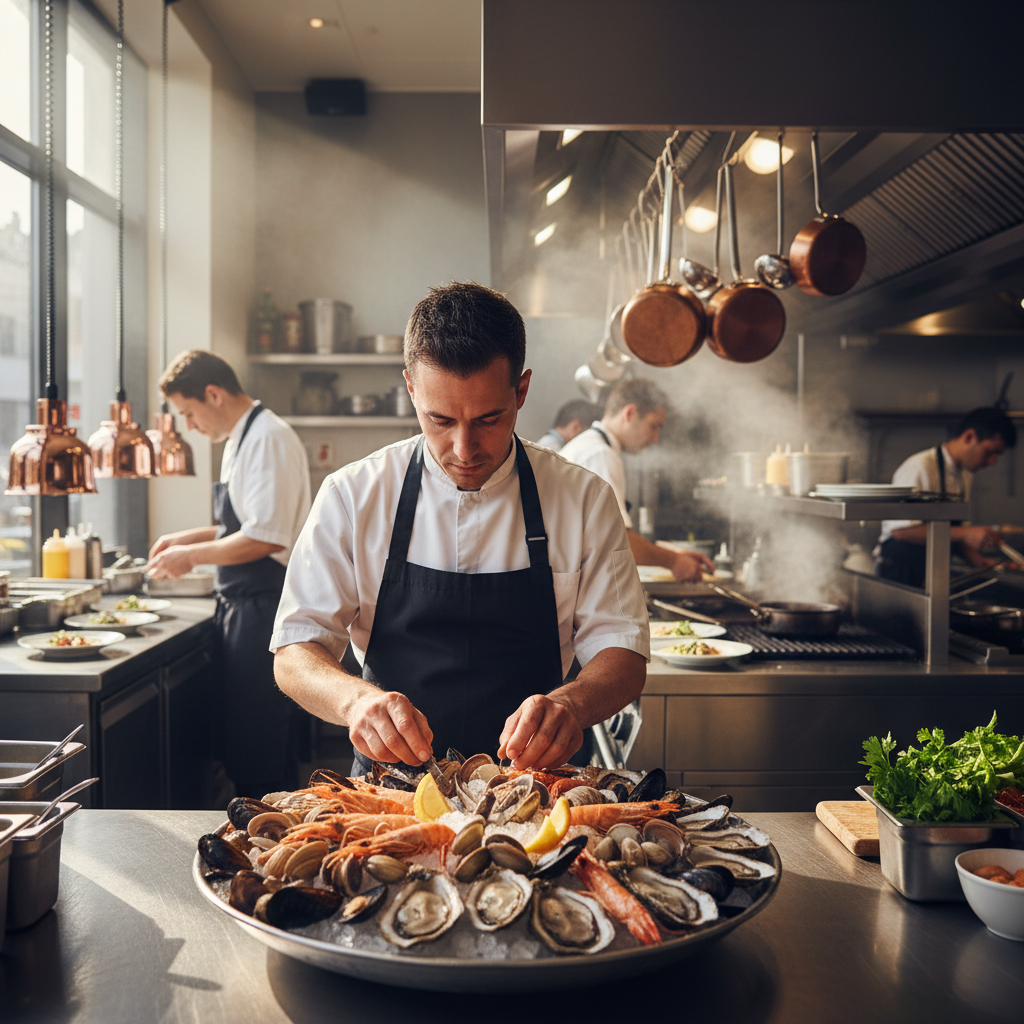
Certain restaurant environments carry higher ambient cross-contamination risk regardless of what you order. Seafood-specialist restaurants, high-volume buffet settings, open-kitchen environments where shellfish is being steamed or fried (airborne risk), and fusion restaurants that blend multiple high-risk culinary traditions all warrant extra caution for highly sensitive individuals.
Looking ahead: how technology is changing allergy-safe dining
The future of dining with a shellfish allergy looks genuinely more hopeful than it did even five years ago. Across the restaurant industry globally, there's growing awareness of allergen labeling and cross-contamination protocols, driven partly by regulation and partly by consumer demand.
AI-powered menu analysis tools are becoming increasingly capable of identifying not just listed shellfish ingredients but also commonly hidden sources like shrimp paste, oyster sauce, and shellfish-derived stocks in specific cuisine contexts. This kind of contextual understanding, knowing that a Thai green curry almost certainly contains shrimp paste even when unlisted, represents a meaningful shift in how diners with restrictions can approach restaurant menus.
We expect to see greater menu transparency and more detailed digital allergen information embedded in restaurant ordering systems over the next decade. As this data becomes richer and more accessible, tools that can decode it in real time will become an essential companion for anyone navigating the dining world with serious food allergies.
Frequently Asked Questions
Which cuisines are safest for someone with a severe shellfish allergy?
Generally speaking, cuisines with the lowest traditional use of shellfish as a flavoring or cooking medium tend to be safer. Northern and Central European food traditions (German, Hungarian, Austrian), many Middle Eastern cuisines outside of coastal regions, and Ethiopian or East African cuisines not featuring seafood carry lower inherent risk. That said, no cuisine is completely risk-free in a restaurant setting where other shellfish dishes are prepared in the same kitchen. Always confirm cross-contamination practices with the specific restaurant rather than relying on cuisine category alone.
Is oyster sauce always a problem for shellfish allergy sufferers?
Yes, traditional oyster sauce is derived from oysters, which are bivalve shellfish. For anyone with a shellfish allergy that includes mollusks (oysters, clams, scallops), oyster sauce is a direct allergen, not just a cross-contamination risk. Some plant-based or "vegetarian oyster sauce" products are made from mushrooms instead, but confirming the specific product used in a restaurant requires asking staff directly. Oyster sauce appears frequently in Chinese, Thai, and Vietnamese cooking in dishes that don't appear seafood-based, making it one of the most important hidden shellfish sources to ask about.
Can airborne shellfish allergens from cooking cause a reaction?
For most people with shellfish allergies, ingestion is the primary route of reaction. However, highly sensitive individuals can experience respiratory reactions from steam or vapors produced when shellfish is being cooked, particularly boiling or steaming in an open kitchen. This is less common than contact or ingestion reactions but is well-documented in clinical literature. If you know your allergy is severe, being seated away from an open kitchen or open seafood display in a restaurant, or choosing establishments that don't specialize in shellfish, is a sensible precaution.
Sources referenced in this article: FARE Food Allergy Research and Education (foodallergy.org); Healthline Nutrition (healthline.com). Always consult a qualified allergist or healthcare provider for personalized medical guidance on managing food allergies.